Clean Room Hard Drive Recovery
Clicking, Beeping & Dropped Drives
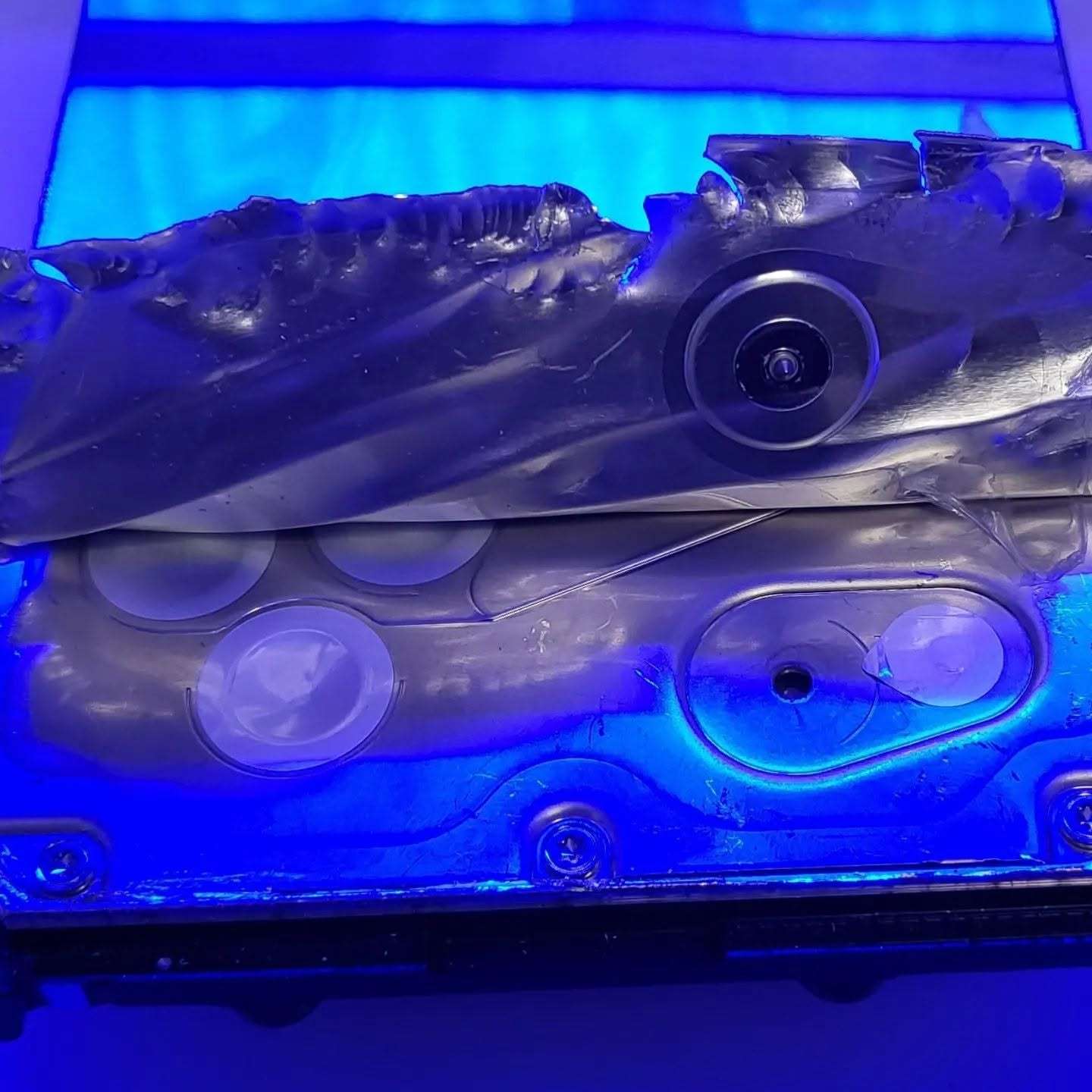
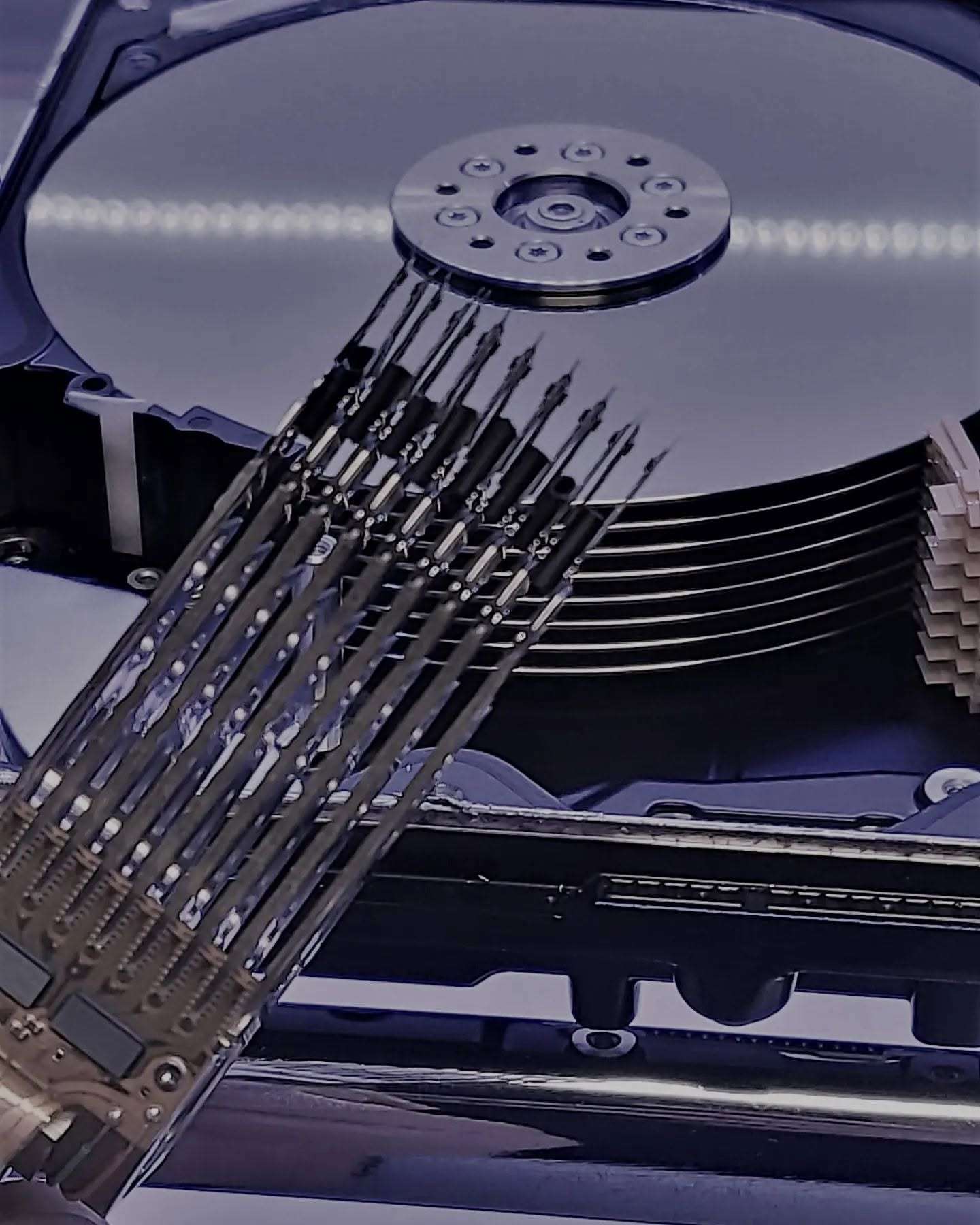
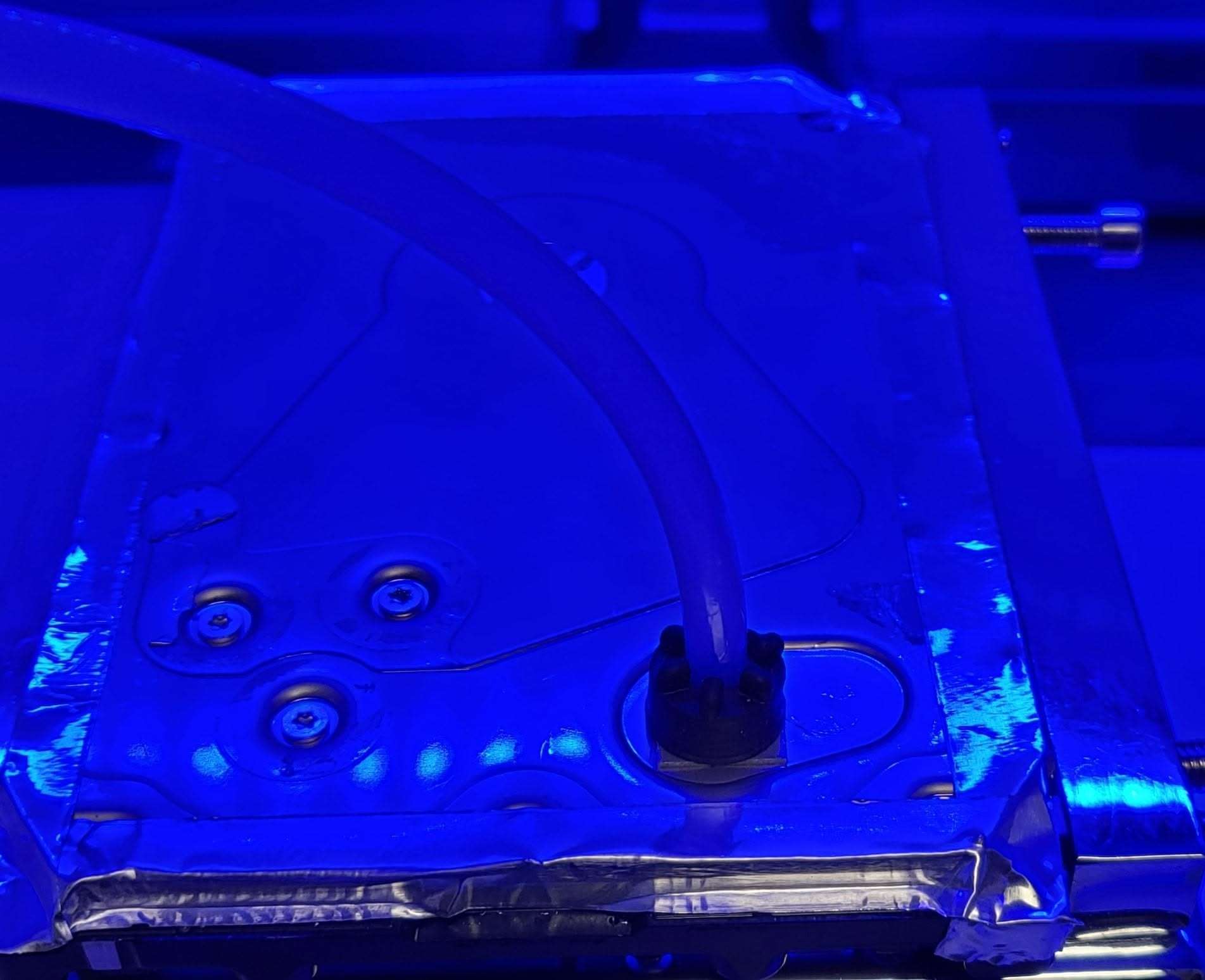
This is the deepest tier of hard drive recovery — the cases where the drive itself must be opened: crashed read/write heads, seized spindle motors, heads stuck to the platters after a drop. Work at this level happens exclusively inside our certified ISO Class 4 clean room in Montgomery County, where damaged components are replaced with precision-matched donor parts. This is the recovery most shops advertise — and almost none actually perform themselves.
⚠️ If your drive is clicking, grinding, or beeping — every additional power-on is doing damage. Damaged heads in contact with spinning platters scrape away the magnetic surface where your data physically lives. Scored platters are the one thing no laboratory on earth can recover. Power it off, and leave it off.
Your HDD Failed.
Don’t Make It Worse.
Every week we receive a case from a devastated client who trusted the wrong company. “But they promised that running software overnight on my drive wouldn’t damage it further.” Often, after receiving a case that has already been unprofessionally tampered with by a computer shop, we see added complications, further media damage (data loss), or even complete destruction — while the client has no idea. Everyone loves a bargain. But with data recovery, you may only get one chance. #mydatamatters
WHY THE ENVIRONMENT IS EVERYTHING
What a Certified Clean Room Actually Does
A dust particle is a boulder at platter scale
Inside a running hard drive, the read/write heads fly on a cushion of air thinner than a particle of smoke above platters spinning at 5,400–15,000 RPM. A single grain of ordinary household dust landing on a platter is, at that scale, a boulder on a highway — it will be struck by the heads and dragged across the magnetic surface holding your data.
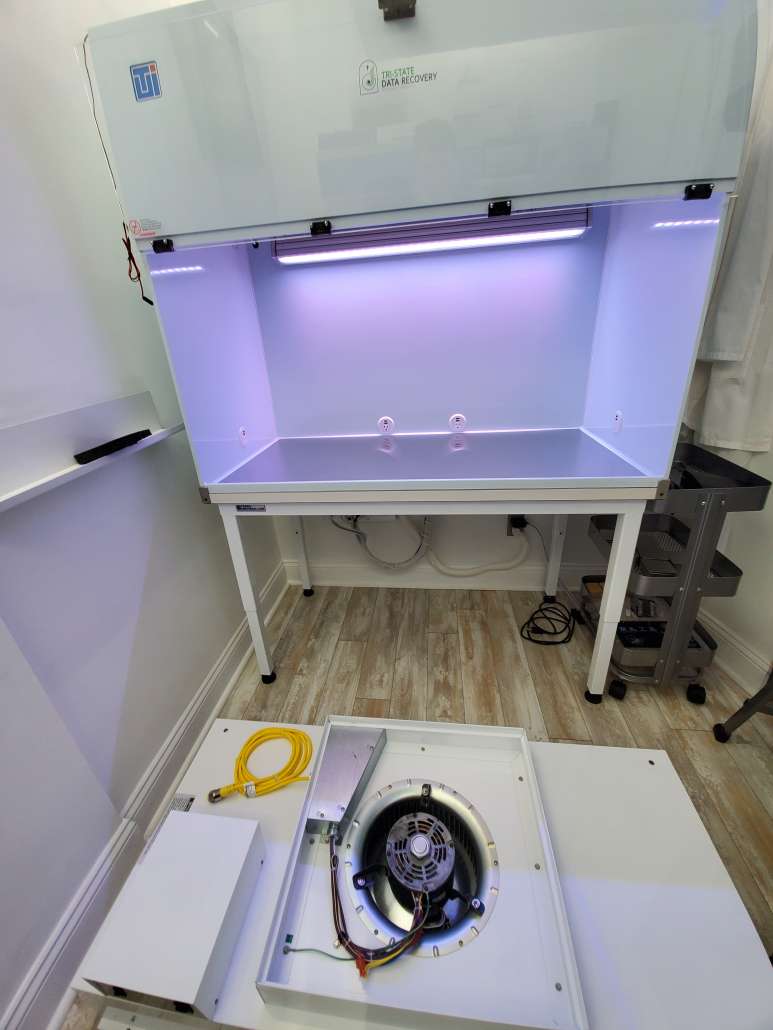
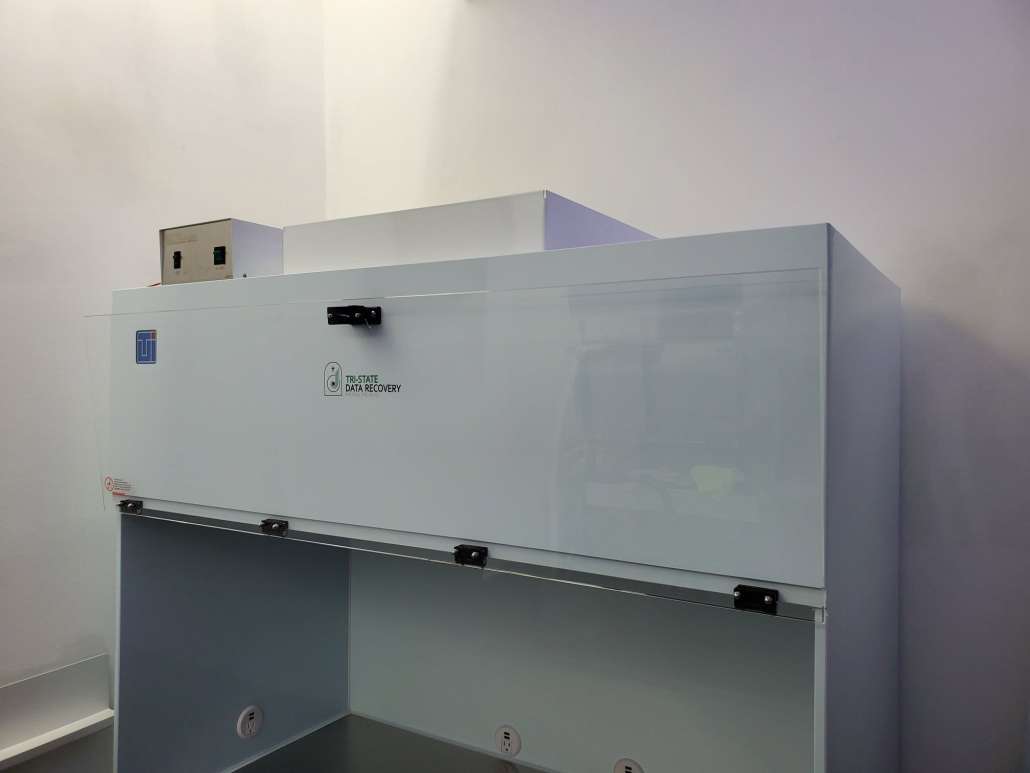
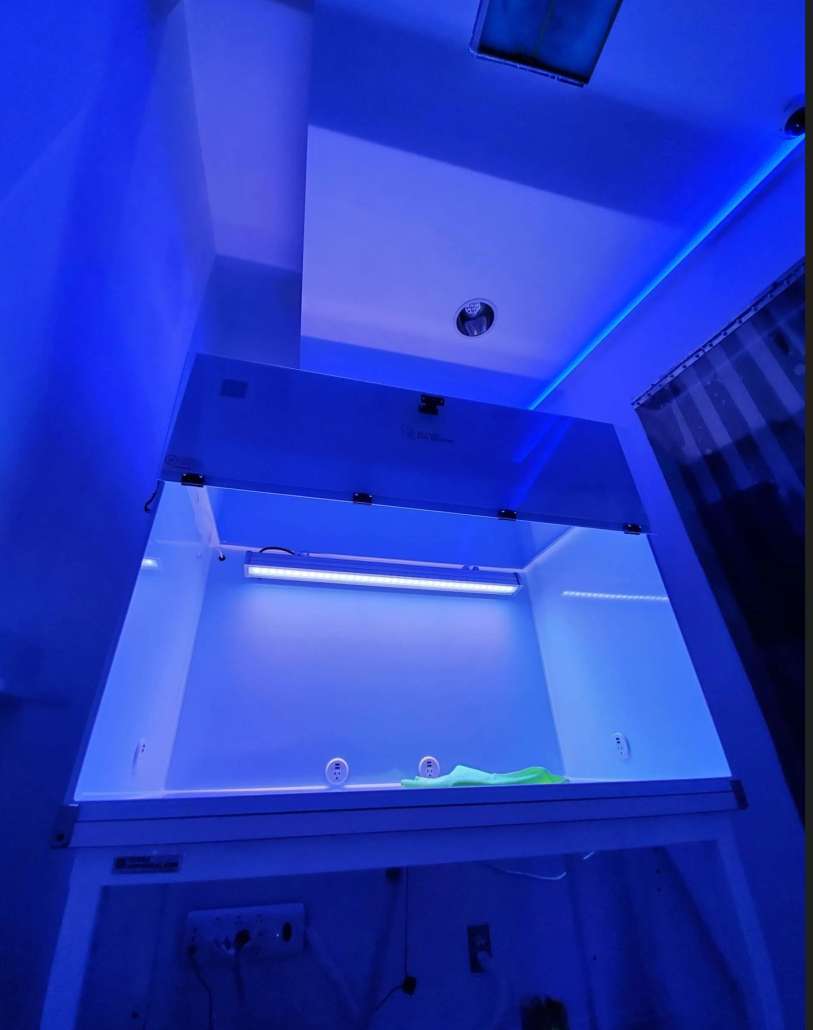
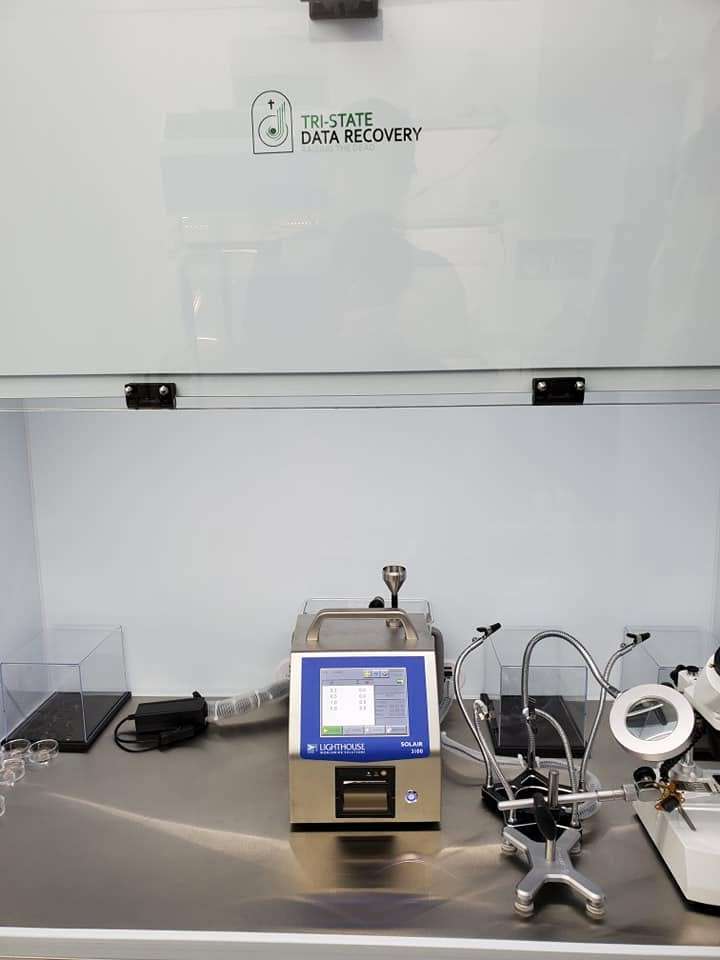
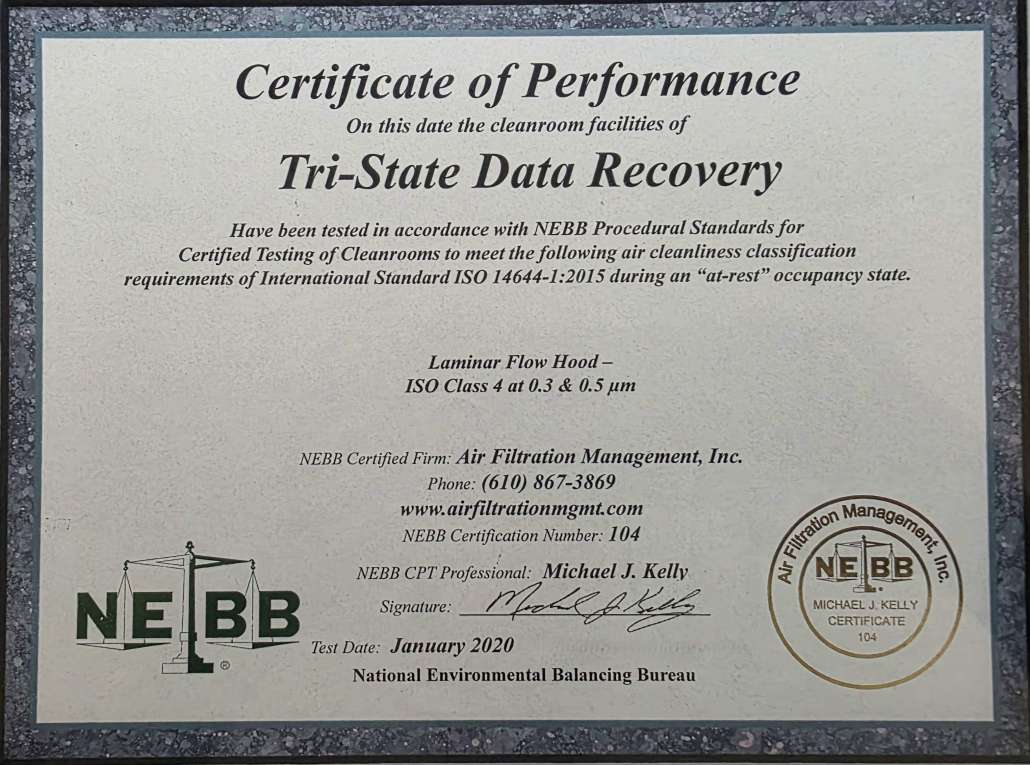
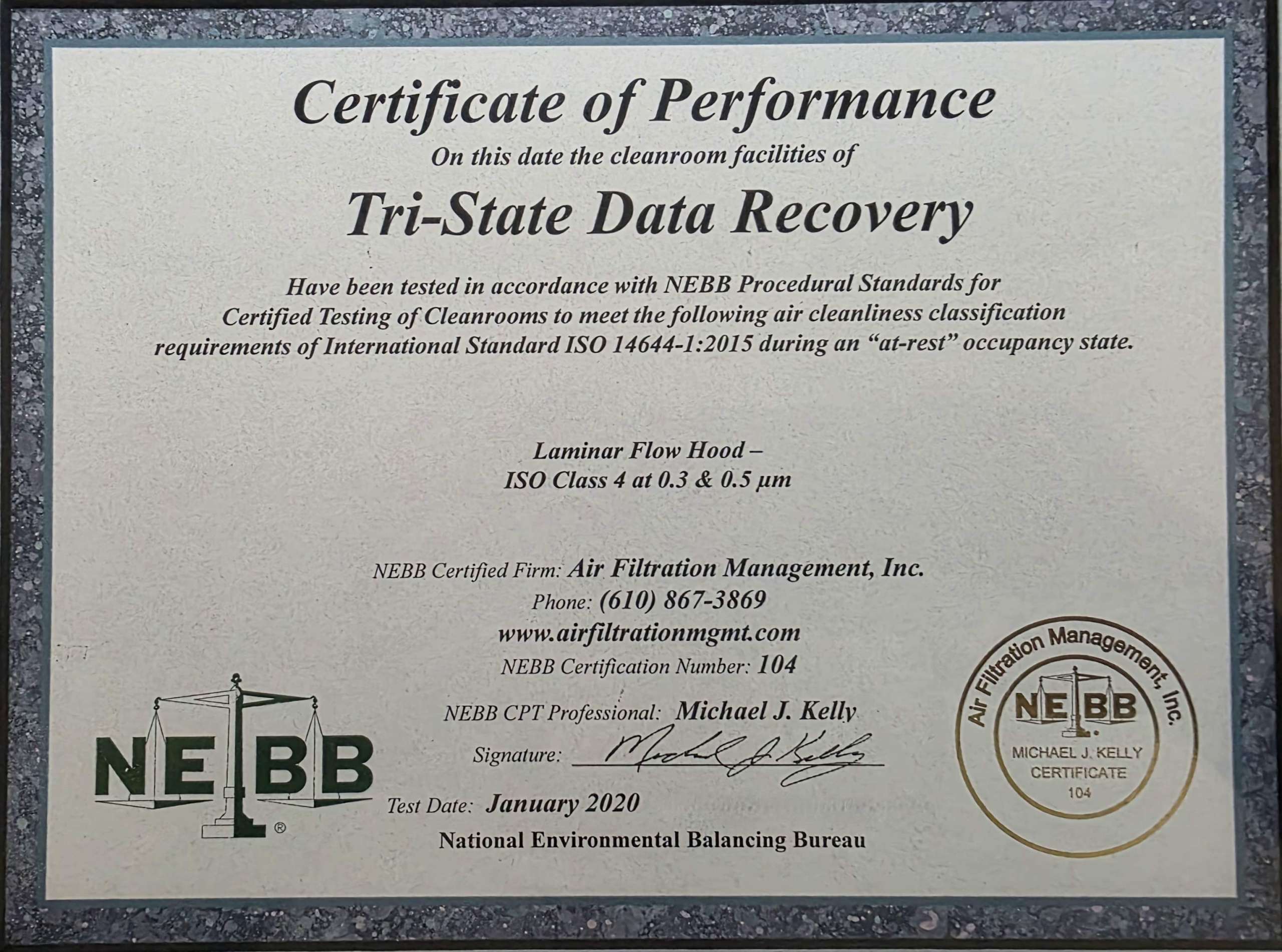
That’s why opening a drive on a desk, in a garage, or in a repair shop’s back room with an untested flow-hood isn’t a shortcut — it’s contamination. Our clean rooms are both quality-tested and independently certified on-site to ISO Class 4.
ISO 14644-1 runs 1 to 9. Lower is cleaner, and each step permits about ten times more airborne particles than the one below. “ISO-certified” with no number tells you nothing — Class 9 is roughly an ordinary office.
“Class 100,” which many companies still advertise, comes from a federal standard withdrawn in 2001. It corresponds to roughly ISO 5, about ten times dirtier than the ISO Class 4 this work is done to.
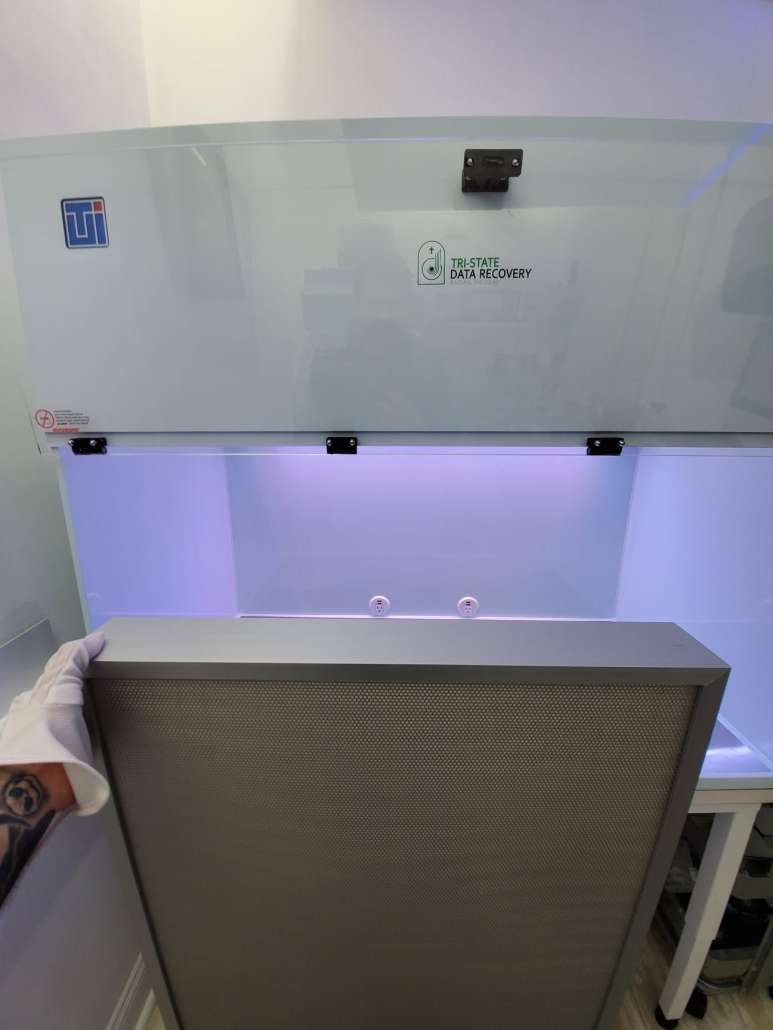
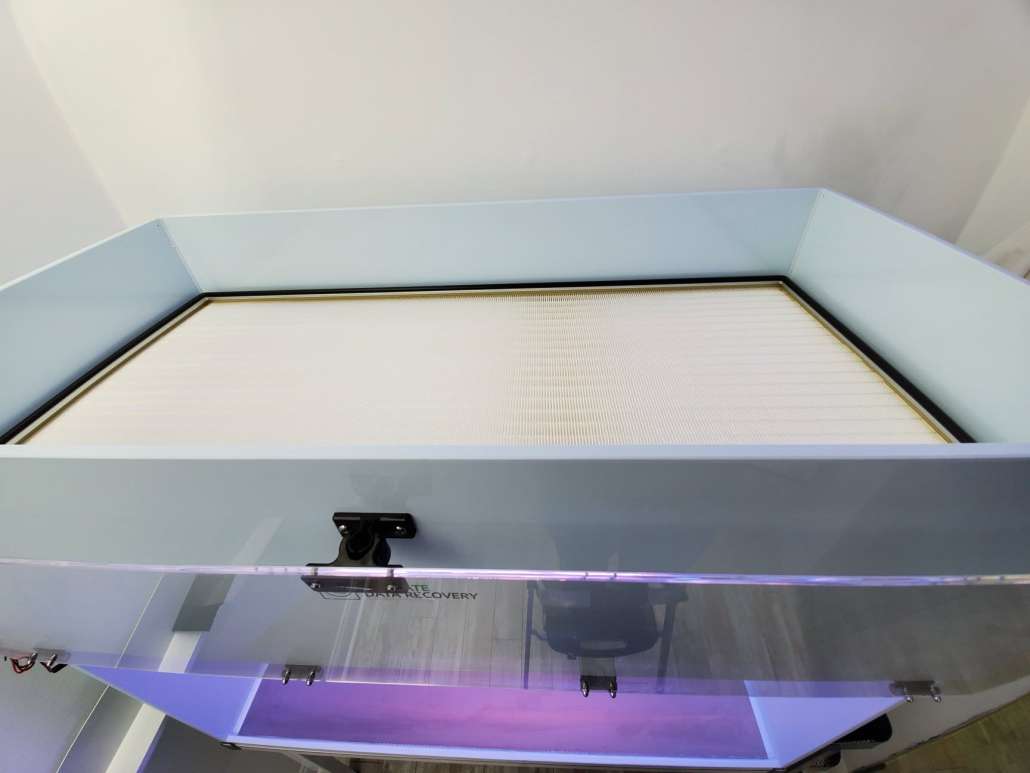
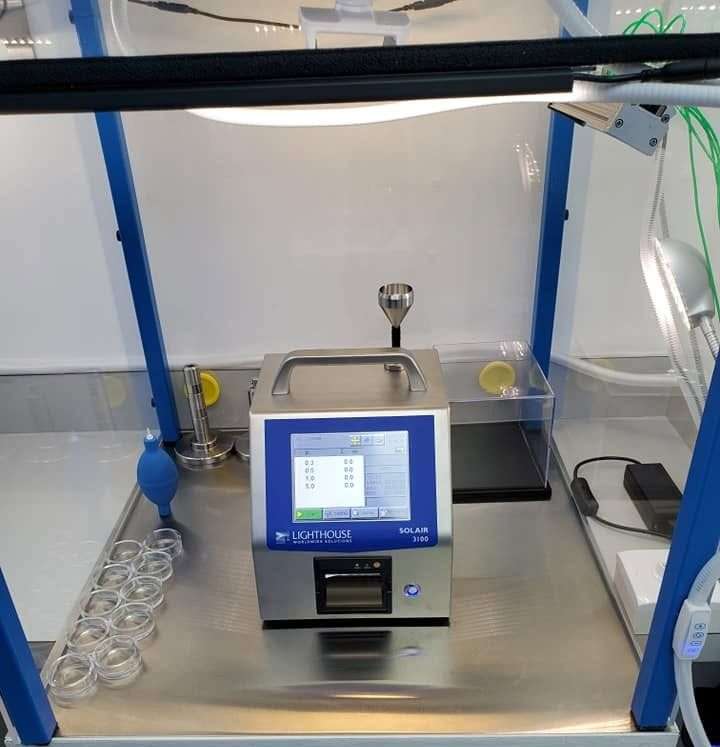
That difference is invisible until a drive is open. When platters are exposed for hours during a multi-disc recovery, the air above them matters more than anything else on the bench — which is why we built a larger, cleaner hood rather than working only from the 18-to-24-inch ISO 5 enclosures most of this industry uses. And had them independently certified by a NEBB firm rather than a non certified $200 consumer particle counter advertised by most companies.
Donor matching matters just as much as the environment: replacement heads must come from a compatible drive — same model family, matching firmware revision, and compatible manufacturing parameters — or the transplant fails. Sourcing and matching donors correctly is a core part of what separates a professional laboratory from a shop with a screwdriver.